In steel production, identification is not just about labeling materials. It is about keeping operations moving. Every coil, bundle, and finished product needs clear, reliable tracking from the moment it enters the facility until it leaves the yard.
But not all tags are created equal.
When it comes to durability and long-term performance, laser marking and printed tags are very different solutions. In the demanding environment of steel manufacturing, that difference matters.
Why Identification Is So Critical in Steel Production
Steel environments are tough. Tags are exposed to heat, moisture, chemicals, heavy handling, and outdoor conditions, often all in the same day.
If identification fails, the impact can spread across the operation:
- Materials may need to be re-labeled
- Inventory tracking becomes unreliable
- Shipping errors can occur
- Compliance documentation becomes harder to maintain
- Time and labor are wasted correcting preventable issues
In an industry where efficiency and traceability are essential, reliable tagging is foundational.
The Reality of Printed Tags
Printed tags are commonly used across many industries, and in some applications they perform well. However, steel production introduces challenges that can quickly expose their limitations.
Fading and Wear
Printed ink sits on the surface of the tag. Over time, exposure to sunlight, heat, and chemicals can cause the print to fade. Once barcodes or text become difficult to read, traceability suffers.
Peeling or Surface Damage
In environments with fluctuating temperatures or moisture, adhesive-backed printed tags may peel or delaminate. Handling and abrasion can also scratch or damage the surface, making information unreadable.
Shorter Lifespan in Harsh Conditions
Steel yards and processing facilities are not controlled environments. Rain, dust, oil, and industrial exposure can significantly reduce the lifespan of printed identification solutions.
While printed tags may work well for short-term or light-duty applications, they are often not designed for permanent heavy industrial use.
How Laser Marking Changes the Game
Laser marking offers a different approach.
Instead of printing ink onto the surface of a tag, laser marking permanently etches information directly into the material. The result is identification that becomes part of the tag itself rather than something applied on top of it.
This difference is what makes laser marked tags so effective in steel production.
Permanent Identification
Because the information is engraved into the tag, it does not fade, peel, or rub off. Even after extended exposure to harsh conditions, the identification remains intact.
Built for Industrial Environments
Laser marked tags are designed to withstand:
- High heat
- Moisture and humidity
- Chemical exposure
- Outdoor storage
- Heavy handling and transport
They are engineered specifically for demanding applications like steel production.
Long-Term Traceability
Reliable barcodes and readable text are essential for inventory systems, compliance tracking, and operational efficiency. Laser marking helps ensure that information remains scannable and legible throughout the entire lifecycle of the material.
Why Durability Impacts Efficiency
When tags fail, operations slow down.
Employees may need to verify materials manually. Production schedules can be disrupted. Re-labeling requires additional labor. In some cases, materials may need to be set aside until identification is restored.
Durable laser marked tags help reduce these risks by providing consistent long-lasting performance.
In a fast-moving steel environment, that reliability translates directly into:
- Improved workflow
- Fewer disruptions
- Better inventory control
- Stronger compliance support
- Greater overall efficiency
Infosight’s Approach to Steel Identification
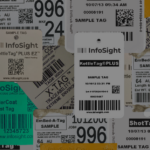
At Infosight, we understand the demands of steel production. That is why we provide durable steel laser marked tags designed specifically for industrial use.
Our tags are built to:
- Withstand harsh environments
- Maintain legibility over time
- Support tracking systems and barcodes
- Deliver long-term identification performance
We focus on creating solutions that do not just work on day one, but continue working for the life of the material.
Because in steel production, identification needs to last.
Choosing the Right Solution for Your Facility
When evaluating laser marking versus printed tags, consider the environment your tags will face.
If identification needs to remain readable in extreme conditions, resist fading, and support long-term traceability, laser marked tags provide a durable and dependable solution.
For facilities looking to reduce tag failures and improve operational efficiency, the right identification system can make a measurable difference.
Final Thoughts
Steel production demands strength, and your identification system should match that standard.
While printed tags may have a place in certain applications, they can struggle in environments where heat, moisture, abrasion, and industrial exposure are constant factors. Laser marked tags offer a permanent, durable alternative that helps maintain traceability and performance over time.
Infosight’s steel laser marked tags are designed to not fade, peel, or vanish, giving your operation the reliability it needs.
If you are ready to explore a more durable identification solution, connect with an Infosight identification expert today.